
Sleeve Gastrectomy
The sleeve gastrectomy is a minimally invasive procedure that removes approximately 85% of the stomach, resulting in significant weight loss and metabolic improvements.
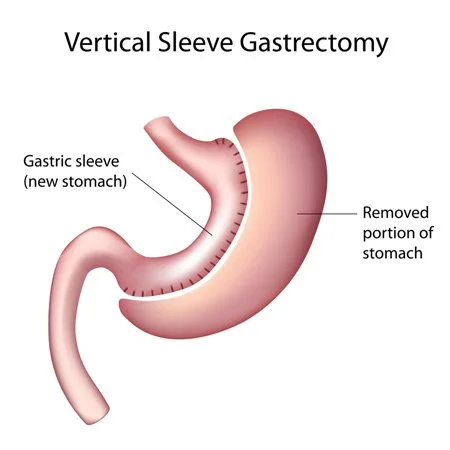
How the Sleeve Gastrectomy Works
During a sleeve gastrectomy, the surgeon removes approximately 85% or more of the stomach, leaving a narrow, tube-shaped sleeve about the size of a banana. The procedure is performed laparoscopically through several small incisions, typically requiring a one- to two-night hospital stay.
The sleeve gastrectomy is primarily a restrictive procedure, meaning it works by significantly reducing the amount of food the stomach can hold. However, it also produces important metabolic and hormonal changes that contribute to weight loss and health improvement.
A Restrictive Operation with Metabolic Effects
While the sleeve gastrectomy limits food intake through physical restriction, its benefits go well beyond simply eating less. The portion of the stomach that is removed is responsible for producing ghrelin, the hormone primarily responsible for hunger. After surgery, ghrelin levels drop dramatically, leading to a significant reduction in appetite and food cravings.
The sleeve gastrectomy also changes the way food moves through the digestive system, altering the release of gut hormones that affect blood sugar regulation, insulin sensitivity, and satiety. These metabolic effects help explain why the procedure is effective for improving Type 2 diabetes and other metabolic conditions, not just for weight loss.
Results and What to Expect
Patients who undergo sleeve gastrectomy typically lose 60% to 70% of their excess body weight within the first 12 to 18 months. The procedure has been shown to improve or resolve Type 2 diabetes, high blood pressure, sleep apnea, high cholesterol, and many other obesity-related conditions.
Recovery is generally quick, with most patients returning to normal activities within two to four weeks. Long-term success requires commitment to dietary guidelines, regular exercise, vitamin supplementation, and ongoing follow-up care. The sleeve gastrectomy can also serve as the first stage of a duodenal switch procedure if additional weight loss is needed.