
Gastric Sleeve Revision Surgery
If you have experienced weight regain, insufficient weight loss, or severe reflux after sleeve gastrectomy, MISH Hospital offers proven revision options to help you reach your goals.
When Sleeve Revision Is Needed
While the sleeve gastrectomy is an effective weight loss procedure for most patients, some may require revision surgery over time. The most common reasons for sleeve revision include significant weight regain due to stretching of the sleeve, inadequate initial weight loss, and the development of severe gastroesophageal reflux disease (GERD) that does not respond to medication.
Weight regain after sleeve gastrectomy often occurs when the sleeve stretches over time, allowing larger meal portions. Some patients may not have lost enough weight initially if their sleeve was created too large or if metabolic factors limited the effectiveness of the restrictive approach alone.
Revision Options After Sleeve Gastrectomy
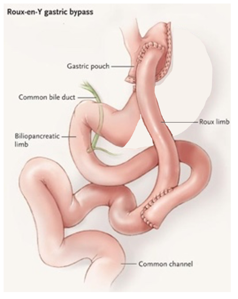
Conversion to Gastric Bypass: This is the most common revision for sleeve gastrectomy patients, particularly those experiencing severe reflux. Gastric bypass effectively eliminates reflux symptoms while adding a malabsorptive component that promotes additional weight loss. This conversion is also appropriate for patients with weight regain.
Conversion to Duodenal Switch: For patients who need maximum additional weight loss, converting a sleeve to a full duodenal switch adds a significant malabsorptive component. Since the sleeve is already in place, only the intestinal portion of the procedure needs to be performed. This is often an excellent option for patients with very high BMIs.
Re-sleeve or Sleeve Revision: In select cases where the original sleeve has stretched significantly, a re-sleeve procedure may be appropriate to reduce the stomach volume back to its intended size. However, this option is less commonly recommended than conversion to bypass or duodenal switch.