
Gastric Bypass Surgery
Gastric bypass, also known as Roux-en-Y gastric bypass, is considered the gold standard of weight loss surgery. It combines restriction with malabsorption for powerful, long-lasting weight loss.
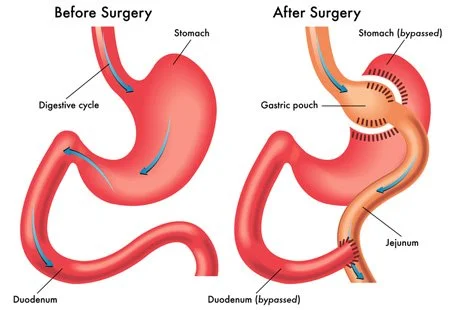
The Gold Standard in Weight Loss Surgery
Gastric bypass has been performed for decades and has the longest track record of any modern bariatric procedure. It is considered the gold standard because of its consistent, well-documented results for both weight loss and resolution of obesity-related health conditions. The Roux-en-Y gastric bypass is the most commonly performed version of this procedure.
During the procedure, the surgeon creates a small pouch from the top of the stomach, about the size of an egg, and connects it directly to the middle portion of the small intestine. This bypasses the rest of the stomach and the upper portion of the small intestine.
Restriction Plus Malabsorption
Gastric bypass works through two complementary mechanisms. First, the small stomach pouch significantly restricts the amount of food you can eat at one time. Second, by bypassing a portion of the small intestine, the procedure reduces the absorption of calories and nutrients from the food you eat.
Additionally, the rerouting of the digestive tract produces significant changes in gut hormones that reduce hunger, increase satiety, and improve blood sugar regulation. These hormonal changes are a major reason why gastric bypass is so effective for treating Type 2 diabetes, often producing improvement in blood sugar levels within days of surgery.
Highly Effective for Diabetes
Gastric bypass is one of the most effective surgical treatments for Type 2 diabetes. Studies show that 80% to 90% of patients with Type 2 diabetes experience significant improvement or complete remission after gastric bypass. Many patients are able to discontinue diabetes medications, including insulin, within weeks of the procedure.
The diabetes-resolving effects of gastric bypass appear to be driven by changes in gut hormones and bile acid metabolism that go beyond simple weight loss. This is why the procedure is increasingly referred to as metabolic surgery when performed specifically to treat diabetes.
Results and Recovery
Patients who undergo gastric bypass typically lose 70% to 80% of their excess body weight within 12 to 18 months. Long-term studies show excellent weight maintenance at 10, 15, and even 20 years after surgery. The procedure also has high rates of resolution for high blood pressure, sleep apnea, high cholesterol, and joint pain.
The procedure is performed laparoscopically at MISH Hospital, requiring a hospital stay of one to two nights. Most patients return to work within two to three weeks. Lifelong vitamin and mineral supplementation is essential to prevent nutritional deficiencies, and regular follow-up care ensures the best long-term outcomes.