
Biliopancreatic Diversion with Duodenal Switch (BPD/DS)
The BPD/DS is a powerful two-part procedure that combines a sleeve gastrectomy with an intestinal bypass, producing the highest percentage of excess weight loss among all bariatric procedures.
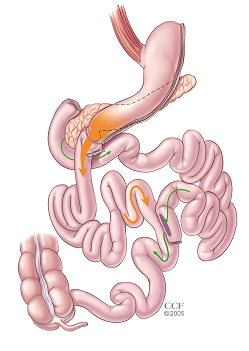
A Two-Part Procedure for Maximum Results
The biliopancreatic diversion with duodenal switch, commonly known as BPD/DS or simply the duodenal switch, is a two-part bariatric procedure that delivers the most powerful weight loss results of any currently available surgery. It combines two proven surgical approaches into a single operation.
The first part of the procedure is a sleeve gastrectomy, which removes approximately 85% of the stomach, creating a narrow tube-shaped stomach that restricts food intake and reduces hunger hormones. The second part involves rerouting approximately 75% of the small intestine, which significantly reduces the absorption of calories and fat from the food you eat.
How the Duodenal Switch Works
After the sleeve gastrectomy portion is completed, the surgeon divides the small intestine near the stomach and reconnects the lower portion directly to the duodenum (the first part of the small intestine). The bypassed portion, which carries digestive enzymes, is reconnected further downstream so that food and digestive enzymes only mix in the final portion of the intestine.
By preserving the pyloric valve between the stomach and the duodenum, the BPD/DS avoids many of the side effects associated with gastric bypass, including dumping syndrome. The dual mechanism of restriction (from the sleeve) and malabsorption (from the intestinal bypass) produces exceptional weight loss results and profound metabolic improvements.
Exceptional Weight Loss and Metabolic Benefits
Patients who undergo the duodenal switch typically lose 70% to 85% of their excess body weight, the highest of any bariatric procedure. The BPD/DS is particularly effective for patients with very high BMIs (50 and above) and produces the highest rates of Type 2 diabetes remission, often exceeding 95%.
Because of the significant malabsorptive component, patients must be committed to strict lifelong vitamin and mineral supplementation, including fat-soluble vitamins (A, D, E, K), calcium, iron, and protein. Regular blood work and follow-up visits are essential to monitor nutritional status and overall health.